31 May 2008

Decanter Trophy for Kanonkop

Kanonkop Pinotage 2004 won the Decanter 2008 World Wine Awards 2008 Trophy for 'South African Red Single Varietal Over £10' and Southern Right's 2006 Pinotage won the only Gold medal awarded to Pinotage. Another 36 Pinotages won awards (9 Silvers, 16 Bronzes, 11 Commendeds). Six Cape Blends won awards, 1 Bronze and 5 Commended. Kanonkop are also celebrating winning the Trophy for 'Red Bordeaux Varietals over £10'. Award details are here.

But the picture is not so bright over at the International Wine Challenge where 28 Pinotages gained Bronze and Commended awards, and a solitary Silver was won by Majors Hill 2006. Award details are here.

Congratulations to them all.

29 May 2008

Warwick Plants Worlds Most Advanced Pinotage Vineyard

Warwick Estate’s Cape Blend, Three Cape Ladies, accounts for a third of the estate’s sales.

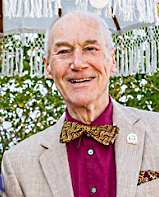
That means, Mike Ratcliffe (pictured left in Warwick's 40 year old bush wine Pinotage vineyard) tells me, that Warwick are planting another 6 hectares of Pinotage in what will be “the world’s most advanced Pinotage vineyard.”

They’re planting at a density of 7,000 vines per hectare. “We’re taking vigour control to new heights", says Mike. “We need to get Pinotage to stop over producing and we’re doing it by natural competition. Vines will be competing against each other and cover crops. We’re aiming for 10 tons per hectare, which we think is optimal but goes against current thinking.”

Warwick uses high altitude photographs from satellites to monitor each vine, pressure tests on leaves to check on water take-up and the new vineyard will link these tools to a computer controlled drip irrigation system.

26 May 2008

Café Culture wins at Vinnordic

Congratulations to Café Culture – KWV’s coffee accented Pinotage –which has won the award for Best Red Wine in its price category at the Vinnordic Wine Challenge.

23 May 2008

Sunrise for Lathithá

Lathithá aims to “Get to my people”, those black South Africans, says Sheila Hlanjwa, (pictured right) who think “wine is not for us – it’s for those who are richer.”

Lathithá, pronounced ‘la-teet-aah, means ‘sunrise’ in the Xhosa language, signifying this new venture and celebrating the changing fortunes of black South Africans. Sheila Hlanjwa designed the Lathithá label and went into the vineyards to pick grapes for her wines. “I wanted to do all the jobs,” she told me. “I definitely wanted to make Pinotage, but the winemaker was horrified.” The vineyard near Helderberg was chosen for its terroir and the wines are made at Ingwe, the Stellenbosch winery owned by Bordeaux chateau owner Alain Mouiex. Winemaker PJ Geyer “begged me not to bring Pinotage grapes into his specialist Bordeaux cellar,” says Sheila, ”But I love Pinotage and so I insisted, and I assisted him make the wines.”

Sheila writes on Lathithá’s back label “The Xhosa culture plays a special role in the heritage of South Africa and the shaping of her people. The Pinotage cultivar is similarly extraordinary as it is unique to South Africa and was born and bred in this country. Pinotage is seen as the iconic wine of South Africa, much as Nelson Mandela is the icon of the Xhosa people. This draws a parallel with Pinotage, which was cultured through the marriage of Hermitage and Pinot Noir. The calm restful temperament of the Xhosa people is likened to the medium body and subtle flavours associated with Pinotage.”

I asked Sheila how Pinotage suited traditional African cooking. “Our food is heavier,” she replied, “and Pinotage matches it especially well.”

Lathithá Wines was formed in 2005 and 2007 was the first vintage produced. Sheila was showing her three wines --Sauvignon Blanc, Cabernet Sauvignon Rosé and Pinotage -- at the London Wine Fair where she was hoping to find an UK agent. I asked James Yeo of Yeo & Co, an importer of top South African wines (Jean Daneel, Morgenster Estate, Cape Point Vineyards etc), to taste the Lathithá range . James’s firm favourite was the Pinotage which he said was “very good.”


Lathithá Pinotage 2007
WO Stellenbosch 14%abv

Very dark purple red glass-staining colour. The wine is soft and ripely fruity, with generous plump sweet blackberry flavours filling the mouth; it is backed by very soft tannins (the wine was fermented with staves in the tank, and aged in 2nd fill barrels), and has a good full bodied mouth feel with spices on the finish. PJ Greyer should be imploring Sheila to pick him more Pinotage
.

18 May 2008

Clos Malverne are Pressing On!

There was a big hole in front of Clos Malverne when I visited in February and a new dynamism about this venerable specialist Pinotage winery. The energy is supplied by Zaine Pritchard, nephew of owner Seymour Pritchard. Zaine has come to Clos Malverne with exciting ideas about marketing and making the winery a must-visit destination for the burgeoning wine tourism business. The hole is the foundation of a modern new visitor centre and offices. “We want people to be able to taste our wine in comfort and without pressure. They can spend the afternoon, buy a bottle if they want and have something to eat.”

But they’re not changing their winning traditional winemaking methods. As the Clos Malverne labels say, their wines are fermented in open tanks and basket pressed according to methods used in the Cape for over 300 years. And the first thing I saw as I walked towards the winery was an old basket press being emptied of the skins. A trickle of bright, almost fluorescent, purple juice meandered across the floor. Yes, it was Pinotage.


They've opened the traditional basket press in order to dig out the compacted skins now that all the juice has been extracted.


This vintage sees a new winemaker, Charl Coetzee join Clos Malverne. Charl previously worked with Pinotage expert Danie Steytler at Kaapzicht Estate. He says “My approach is not to change too much at first, but as soon as I found my feet. ….. ..”

Zaine, Charl, Seymour and I tasted the following wines:

Devonet 2006
Cape Blend
WO Stellenbosch 14%
This is a 50/50 blend of Pinotage and Merlot. It is deep red with a warm nose and rich silky ripe mouth feel. There are some firm tannins and bright acids on the finish which become quite dry and dusty. Seymour says “at 35R this is a low price wine for easy drinking” but it seemed pretty serious to me and would benefit from ageing – and a good steak.

Heron’s Nest 2006
WO Stellenbosch 14%
Heron’s Nest
is a 2nd label for export and this is a Cabernet Sauvignon/Pinotage blend. “It's very good wine at a very good price,” says Seymour. “It’s sold in Holland, Ireland, and Belgium, biggest brand by volume. The reason it is so successful it that it over delivers quality on price.” This has a lot lighter than the previous wine, with a sweet approach leading to soft gentle berry and redcurrant fruits. Very drinkable.

Clos Malverne
Pinotage Reserve 2006
WO Stellenbosch 14%
“Focus on the balance, rather than high alcohol,” says Seymour, “though we are working on getting to 13.5% by experimenting with our picking.” This wine stains the glass and the nose is a little hot. It tastes soft and feels quite light bodied at first, but there’s a nice meaty balance between fruit and tannins. Complex and youthfully attractive. Costs 85.95R

Clos Malverne
Pinotage 1997
WO Stellenbosch 13%
Eleven years old – there’s a little stink on the nose, the wine is fully mature and light bodied with restrained aged berry fruit flavours; a very pleasant wine. “We added 15% Merlot to soften the tannins,” Seymour said.


Clos Malverne
Pinotage Reserve 2003
WO Stellenbosch 14%
This was a Top 10 winner in 2006 and it was a worthy winner, with a delightful melange of smooth ripe berry fruits, a lick of banana, gently integrated tannins and reviving acids. Cracking good wine.


Clos Malverne
Auret Cape Blend 2001
Limited Release
WO Stellenbosch 14%
Auret is the flagship wine and takes its name from Seymour’s mother’s maiden name and Seymour’s middle name. This is a Cabernet Sauvignon/Pinotage blend with 15% Merlot. There’s soft ripe fruit on this nicely aged wine; sweet mulberry and blackberry, classily velvety smooth and elegant. It is a real bargain at between 100-125R, “We like to keep our prices competitive, ”Seymour told me.

Clos Malverne
Auret Cape
Blend 2005
Limited Release
WO Stellenbosch 14%
This is four years younger but is already really pleasantly soft and well balanced with good fruit over some gentle oak tannins. 145R


Zaine expects the new tasting room to be ready in mid-2008 so I will definitely be returning to see it on my next visit.


Fermenting tank at Clos Malverne


The old tasting room is at left, the winery is at at the end at the right

15 May 2008

Pinotage is Golden in California

Pinotage is the favourite South Africa wine with California consumers.

Nielsen figures show that Golden Kaan’s Pinotage is the top selling South Africa wine in Northern California grocery outlets*.

“When we first came into this market, people told us that selling South African wine would be near impossible, that Californians are too loyal to California wine,” says Erik Ran, Senior Vice President, Sales & Marketing. “After watching our sales numbers grow each month and seeing the Nielsen data with my own eyes, I’m proud to say we’ve proved those naysayers wrong.”


Golden Kaan was formed in 2003 and is a joint venture between Racke International, who market and sell the wine internationally, and South Africa’s KWV International, who produce the wine in Paarl.


Other Golden Kaan wines include Pinotage Rosé, Chenin Blanc, Sauvignon Blanc, Shiraz, Cabernet Sauvignon, Merlot and Chardonnay, all retailing around $10.


*Source: ACNielsen, Northern California Food, 26 weeks ending 12 Jan 08


.

13 May 2008

M'Hudi

Shortly after arriving in the Cape I received the following email.

It may be that you come from the UK, in which case you have been denied theprivilege of tasting the pinotage of your life. This would be M'hudi pinotage and I should be glad to explain to you the reason for this deprivation.

The message was signed ‘Oupa’. I was intrigued, but the name M’Hudi was not unknown to me as Marks & Spencer in the UK stock a stunning M’Hudi Sauvignon Blanc.

It was difficult to arrange a visit to meet Oupa since not only was he in the middle of the harvest, but a TV camera crew was monopolising his time for a documentary programme. Oupa, meaning Grandpa, is the nickname of Diale Rangaka and I finally managed to meet him on his farm.

Oupa spent his life in Education, was a Dean of Humanities in the University of Mafikeng* then the Deputy Dean of Education before moving to Johannesburg as Principal of Soweto Campus, then University of Johannesburg. He’d also spent a winter at the University of Sussex in England, but dark cold British winters were a shock to his system. His wife Malmsey, who was working as a clinical psychologist, wanted to retire and Oupa had always dreamt of owning a farm. Under the old system black people couldn’t buy land but now the government was encouraging black farmers with beneficial loans. It wasn’t plain-sailing as Government departments didn’t work together, but finally Oupa and his wife were in position to look for a farm. After visiting a few they took possession in 2003 of a small rundown property growing guava and grape vines on the edge of the Stellenbosch region. “Maybe other buyers were discouraged by the squatters’ camp by our entrance,” Oupa said, “but they are just people. There are good people and bad people there, priests and workers….. I visited and talked with them.”


Managing Director Malmsey Rangaka (left) & Oupa in their vineyard


Oupa and Malmsey’s previous careers hadn’t prepared them for life as farmers. They knew nothing and were very much on their own. “Our farm workers left as they didn’t want to work for a black boss,” Oupa told me. So he researched the information he needed. “But everything we read came from Europe and North America in the northern hemisphere, we didn’t realise the seasons were different and so we were doing things like pruning at the wrong time of year.”

Oupa’s farm is on the same road as the Villiera winery. Villiera’s owner Jeff Grier and his wife called to introduce themselves and to welcome the Rangaka family to the neighbourhood. Simon Grier lives next to M’Hudi and passed every day on his way to the winery. “Simon would stop and ask “Why are you doing that?” laughs Oupa, “and he’d point out what needed to be done.” Oupa’s son Tsêliso went to learn winemaking at Villiera and the first M’Hudi wines were bottled and sold from Villiera’s tasting room.

Then Marks and Spencer came calling. They were interested having exclusive UK rights to M’Hudi wines and Oupa, knowing their reputation, agreed. “M&S helped us set up proper procedures for admin, worker health and safety and they helped us get WIETA accreditation. Since M&S have exclusivity they have kept M’Hudi’s attractive front labels, with just the M&S name overprinted.

Inspiration for M'Hudi's name came from Sol T Plaatje’s novel published in 1930, the first to be written in English by a black South African. M'hudi's story is one of courage, determination against seemingly impossible odds and the relentless pursuit of one's dreams and wishes. The label shows M’Hudi – derived from the Setswana word, Mohudi meaning Harvester – scattering seed on the ground while above her flares Halley’s comet. Oupa tells me the name can be pronounced either as M’-Hoodee or Moody.

So now to taste ‘the pinotage of your life’. “It was made at Villiera,” says Oupa, “from our grapes and some of Villiera’s. It spent 8 months or so in 2nd fill French oak barrels and was then rounded off in North American oak which has tamed the tannins. It is a value for money wine which costs 38.50R, and it’s a bloody good wine – probably as good as any 70R wine!”


M’Hudi Pinotage
2005 14.5%abv
WO Stellenbosch

Attractively soft and approachable, with generous plum and vanilla tones and some tannins on the finish. Good drinking, if not the Pinotage of my life, but give them a few years and who knows….


Oupa has great plans for his farm: a restaurant, accommodation, function room and a tasting room are in the future. But for the time being taste the M’Hudi range at Villiera. In the UK, Marks & Spencer stock M’Hudi Merlot and Sauvignon Blanc but not, unfortunately, their Pinotage.


*Oupa was most insistent that I used the correct spelling of the place the British know as Mafeking. Mafikeng means 'the place of stones' and Sol T Plaatje worked there as a magistrates' court interpretor and kept a diary during the famous siege.

09 May 2008

Interesting Flavour Comparison

Here's an interesting flavour comparison by Jeff Farance writing in the Daytona Beach News-Journal

Golden Kaan offers a pinotage, the flagship wine of South Africa, for 10 bucks that also is medium-bodied, an attractive garnet, a very delicate nose of black berries, and dark fruit on the palate. The finish is lengthy. Those who like the lightness but forceful fruit of sangioveses (the grape of Chianti) are likely to find pinotage to their liking with hearty foods.


I can see where he's coming from on this, can you?

06 May 2008

Pinotage is "ultimate expression"

Quote of the month:


"If the focus of the winery is to delve in Burgundy and Rhone style grapes then I think the ultimate expression of that is to have Pinotage in the flavor mix. This coming spring we’ll release our first Pinotage".

Phil Crews, owner of Pelican Ranch Winery in Santa Cruz, California, interviewed by Ken Payton at Reign of Terroir

01 May 2008

A Pleasant Reunion at Fairview

Fairview Winery must be on the ‘must-see’ list of every visitor to the Cape with the international fame of the Goats do Roam family of wines and Fairview Cheeses, and the place keeps expanding to cater for them all. Car parks have replaced vineyards, the small tasting counter is now a grand tasting hall and this year there is a new restaurant bistro offering a full meal service in addition to the cheese tasting counter.

Owner Charles Back is one of the Capes most innovative wine producers and I popped in to see what was happening. As wandered into the tasting room a door opened, a young woman stepped out and cried out my name. I don’t know who was more astonished. Anita Streicher and I had last seen each other several years ago when we were working together teaching classes for the Cape Wine Academy in London. I knew she’d returned home to South Africa to work for Makro’s wine department in Johannesburg as I received her informative Makro newsletters.


Now here she was at Fairview in charge of the newly opened Beryl Back Room. This is a separate room where visitors can take their time and enjoy a personalised seated, tutored tasting of wines paired with Fairview cheeses, away from the hubbub of the main tasting room. The room named after Charles Back’s late mother and is furnished with a selection of antique and unique furniture collected by the Backs during their travels.

I couldn’t leave without experiencing the room, but I had been tasting wine all day so, much to Anita’s disappointment, I asked to taste just the following wines.


Fairview Pinotage 2007
WO Coastal 14.5%abv

Upfront soft berry fruits , with some firmness on the mid palate and bright spices on the finish. Anita told me the wine had been aged 10 months in French and American
oak barrels so it must have been just bottled and I think with a little bottle age
it could be a cracker. Cellar door price 50R

Fairview Pinotage/Viognier 2006
WO Coastal 14.5%abv

Fairview were the first to co-ferment Pinotage with a little Viognier, there’s 4% Viognier in this and that adds a lot. The wine is richly coloured and tastes invitingly soft and ripe with aromatic medium bodied fruits. Anita tells me this wine is very popular in Sweden. Cellar door price 60R

Spice Route Pinotage 2006
WO Swartland 15%abv

A lovely wine, smooth, ripe and spicy with blackberry flavours and a sweet medium length finish. Cellar door price 80R

Fairview Primo Pinotage 2003
WO Paarl 15%abv

A single vineyard, now with some age on it, and it is very very good. Beautiful balance, sweet ripe and spicy with plum and berry fruits. A snip at the cellar door price of 110R

My partner was tasting her own choices and had become enamoured of a sweet Special Late Harvest Viognier so when Anita told her it was only available at the winery she ordered a case for home delivery. And two weeks later a courier was knocking at our door with a sweet reminder of our visit.

When you next visit Fairview it is well worth upgrading to the comfort of the seated tasting in the Beryl Back room. And do please give my regards to Anita.


21 April 2008

Delheim's latest Pinotage is a Cracker!

It’s a tradition that on our last day in the Cape we have lunch at Delheim. We ordered a bottle of their MCC sparkler in consolation of the forthcoming journey home and I chose the scrumptious Cape Malay Chicken Curry wrapped in a filo pastry parcel. Delheim change the menu in their garden restaurant every month and if I miss the lamb curry served in its individual potjies I always find another favourite.

By chance Nora Sperling-Thiel (owner/marketing/exports) was dining with some guests and she asked Brenda van Niekerk (pictured left) to spare a few moments from winemaking duties to show me her 2008 Pinotage Rosé.

I’d tasted a still fermenting sample previously, but now that wine was complete and had been bottled a few days previously. Brenda told she’d blended in 6% Muscat to give a little sweet lift; there’s 5.5gL residual sugar and the alcohol is a lunch friendly 12.5%.


Delheim Pinotage Rosé 2008
The colour was bluish red with a rose petal bouquet. At first it tastes another easy going pink wine with delicate rose petal flavours and a refreshing pear-drop acidity on the finish. But I returned to it and realised there was more complexity than at first appeared and it’s a rewarding summer’s day drink.


Brenda also brought a sample of the 2007 red Pinotage. This had spent 10 months in 60/40% new/ 2nd fill oak barrels and was now undergoing bottle aging before release later this year. Brenda said she ‘likes the fruit and the big structure.”


Delheim Pinotage 2007
I’ve thought Delheim’s recent Pinotages have been a bit dull, but this one was right back on track. It is lively and interesting with dark plummy fruits to the fore and wood tannins developing on the finish. It shows all the signs of an excellent wine, good for drinking young but with plenty of potential for aging. I'll be looking out for this when its released.


Sad as I was to leave Delheim and to be heading home to a cold England, I was thrilled to see that my book Marilyn Merlot and the Naked Grape was on sale in Delheim's gift shop at the entrance. The books contains one of my favourite winelabels, which is Spatzendreck, Delheims sweet wine that has such an amusing story behind it.

18 April 2008

Do you Recognise this Man?

He is 'making some of South Africa's finest reds' and is one of five of the wine worlds 'movers & shakers' selected to have their picture on the front cover of The Wine Society new wine list.

The others are Thibault Despagne of Chateau Bel Air, Susana Balbo in Argentina, Etienne Hugel in Alsace, Serge Hochar of Chateau Musar in Lebanon and Giovanni Manetti of Fontodi Estate in Chianti.

But in pride of place in the centre is this image of Warwick Estate's Mike Ratcliffe.

Warwick' wines currently listed by the Wine Society are their Trilogy bordeaux blend and a specially crafted Cape Blend. Winemaker Louis Nel told me that that for the Wine Society he experimented by adding some Shiraz to the Three Cape Ladies blend of Cabernet Sauvignon, Merlot and Pinotage. The Wine Society blend was so succesful that Shiraz then became part of the ever popular Three Cape Ladies.

The Wine Society's Exhibition Cape Blend 2004 (£8.95) is aged in oak for 24 months and is a serious richly textured and fruity wine and very enjoyable now, but I'm keeping some back for aging.

The Wine Society, whose full name is The International Exhibition Co-operative Wine Society is the world's oldest wine society, founded in 1874 after the international exhibition in London that year was left with some barrels of wine. The Society is owned by its members . Membership is forlife and can be passed on to your descendents. The Society maintains a wide range of own label wines in two tiers. The Exhibition range is the premium one.


Pictured: the Society's 144 page wine list featuring Mike Ratcliffe on the cover

14 April 2008

A Historic Evening with Beyers Truter

Being invited to plunder Beyers Truter’s private cellar was dream come true. There is capacity for 30,000 bottles; many of the wines were made by Beyers and alongside Kanonkop and Beyerskloof are own label wines from UK supermarkets he’s made wine for. And there’s also an eclectic collection of many different South African wines and a good number of wines from other countries.

Beyers had invited me to his seaside house to join him and Francois Naude,(previously winemaker at L'Avenir Estate, now independent consultant) and Corius Visser (winemaker with Beyers at Croydon Vineyard Estate), for an evening tasting from his collection. It was a chance for the three winemakers to get a night away from the stress of vintage time. (pictured right from top: Corius, Beyers and Francois hunting elusive bottles)

Francois, Corius and I went hunting for interesting wines; Beyers had suggested we choose eight bottles but he soon joined in pulling out wines and we quickly had 11 wines. My picks were a 1982 Zonnebloem, 1996 CWG L’Avenir and a 1999 Kanonkop.

Upstairs the wines were opened. Beyers explained the format of these evenings “We pour a glass of each in turn and drink and discuss them.” There was no spittoon, we would take time to relish the wines.

The wines were


1978 Groot Contantia Superior (Constantia)
1982 Zonnebloem (Coastal)
1985 Cederberg (Cederberg)
1987 Oude Necktar
1989 Clos Malverne
1989 Simonsig CWG Reserve
1996 Paradyskloof
1996 L’Avenir CWG
1999 Kanonkop
1999 Kumkani
2006 Binyamina Teva (Israel)
2006 Muddy Water (New Zealand)

Wine of Origin Stellenbosch except where indicated


1978 Groot Constantia Superior (Constantia)
“They were one of the first Estates to make Pinotage”, Beyers remarked.
PM – “The cork is crumbly and ullage was low. Deep red colour, brown on rim, beautiful colour for a 30 year old wine. Aged sweet bouquet but no oxidation, a sweet toffee light body with touch of acid on finish”
FN = “If I tasted this blind I’d think it was an old sweet white wine, not a red. Fairly high acid which helps it to keep.”
BT – “Very typical of the area, pine needle and honey with high acid.”

1982 Zonnebloem (Coastal)
BT - “The fruit for this came from Kanonkop and Bellevue”
PM – “Dark clear colour, nose of forest floor, lively bright exciting red berry flavours, sweet, lots of life. A beautiful elegant lady of a wine”
BT – “Like water running over a burnt forest floor.”


1985 Cederberg (Cederberg)
PM – “Deep red colour, smells sweet, old and oxidised with a hint of pine toilet cleaner. Sherry taste, sweet like a dessert wine, acids developing in glass.”
BT –“ Not completely gone, over extracted, like syrup.”
FN – “Heavy wine from a light vintage, quite black, too concentrated. I wouldn’t expect this wine from this vintage and area.”
There was some discussion about concentrating this wine to use as a marinade or for drizzling over Christmas cake.

1987 Oude Necktar
BT – “The fruit came from the same block used by Neil Ellis for ‘Swan Song’”
PM –“Sweet and short, light boded and short finish.”
CV –“Fynbos-like nose.”
FN: Blue gum, mint, herbaceousness. Spicy nose offers more than taste does.”
BT –“Acids are too high for the fruit”
FN – “ I think the grapes were picked unripe which explains the high acids.”


1989 Clos Malverne
PM –“Pale light red, luminous, not much nose. Ripe sweet fig flavours, light bodied”
FN – “Beautiful nose, just too acidic”
BT – “ Too high acid. All this wines plus points can’t overcome the acids”
CV – “Too high acid”


1989 Simonsig CWG Reserve
BT – “Very good colour. This is the first one showing more oak and blackberry. Very well balanced, classic blackberry and oak. Was made for CWG, had more oak and will
last 30-40 years.”
FN – “Excellent colour, herby herbaceous flavours, fruity acid, nice tannins makes it nice and firm.”
PM –“Delightful; sweet blackberry and spices.”

1996 Paradyskloof
PM – “Smells old, light bodied, thin red currant short finish”
BT – “ Bit of burnt coal and smoke”
FN – “Lesser vintage, little green. The wine is still too young and the tannins still green. Give it some age and let tannins soften. This is a 2nd label wine; not bad but too young.”

1996 L’Avenir CWG
BT – “Excellent colour, farmyard nose, wood and mushroom. Interesting: it tastes the same. Very complex”
PM – “Isn’t ‘farmyard’ an indication of brett?”
BT –“Lots of people say farmyard equals brett, but that is just Simonsberg. It’s a Simonsberg characteristic.”
FN – “Very forest floor nose. Always had a farm-yardy characteristic – which is what I like and often find in Bordeaux. Nice and full.”
PM – “Beautiful: complex and ripe. Lots going on.


1999 Kanonkop
PM – “Incredible rich black red colour – superb balance. Concentrated dense fruit, great complexity and it is just so drinkable.” I selected this wine because I’d been so impressed with it when I tasted it last year at a tasting at Kanonkop; I wanted to taste it again and I wasn’t disappointed.
FN – “Bit of farmyard, black cherry, tobacco, red cherry.”
BT – “Blackberry – cherry flavoured cigar.”

1999 Kumkani
FN – “Lacks complexity of previous; after nose it under delivers on the palate.”
BT – “Bit of farmyard but not enough depth to carry it.”
PM – “Light bright, not very interesting.

2006 Binyamina Teva (Israel)
I was surprised to see this in Beyer’s cellar but I’d introduced him to the MD of winery last year at the London trade fair and Beyers is keen to visit them in Israel.
BT – “Yes – raspberry and tea. There’s not enough oak in this. Medicinal flavour will be removed with oak. With a bit of oak it would make a fantastic wine.
FN – Dense raspberry. There’s a bit of oak on this; it tastes like crushed raspberries. Ideal to do malo in barrel (or use staves) to tone it down. Very nice acidity.

2006 Muddy Water (New Zealand)
This was the twelfth wine which I had brought from New Zealand. It was winner of our blind tasting of NZ Pinotages and I was keen to hear what the South Africans thought of it.
FN: - Quite a light colour, good nose, good varietal character. Nice fruit; I like this
BT: - Very Pinot Noir, I’d love to taste this older.
FN: I’d never have guessed the alcohol level was 15%, colour is very light, concentration of wine should be more to handle wood, but it matches. If I was consulting there I’d work the wine harder in fermentation to get more extraction. It’s a bit light; needs more density in flavour profile and more colour. Very nice fruit, I’d just like more intensity”


By now it was quite late; Beyers got braai going and cooked meats which we ate with more glasses of the opened wines, and so to bed. The amount left in the bottles next morning indicated our favourite three were Kanonkop, Simonsig and L'Avenir.


That morning was magical. Sitting on the balcony with a coffee in the sun we watched two groups of whales to our left while a huge rainbow over the ocean on our right indicated a storm on the other side of the Hottentot Holland Mountains. Then the car was packed, the winemakers switched on their mobile phones and we headed back to Stellenbosch.

Many thanks to Beyers Truter

04 April 2008

In the Blogs

Here's a round up of Pinotage reviews on the web in the past month


The team at Another Food Blog celebrated their second anniversary at The Fat Duck in Bray. The restaurant has been named best in the world and chef/owner Heston Blumenthal's creations, such as snail porridge and bacon and egg icecream, have gained much publicity. With the £125 tasting menu was served a selection of wines, about which Paul Woods writes:


"The wine was really beautifully balanced, starting with a bottle of Tattinger champagne, moving on to a flowery Marlboro ‘Isabel’ 13 percent ‘06 sauvignon blanc (from New Zealand, of course!) and finishing with a South African Jonathan’s Ridge ‘05 pinotage from the Springfontein Estate in Walker Bay (14.5 percent). The pinotage was notably tasty, with various levels at each stage - the nose was not only flowery but also a little chocolatey, the body being very heavily characterised by blackcurrants and the finish with a very appropriate bitter edge. "


Simon Woods at Drinking Outside the Box is spending a few weeks drinking only wines selected from the top 10 UK off-trade brands, and he is not enjoying it. He recalls a visit to South Africa in the 1990s where he was invited to a braai in Worcester with TC Botha, an ex-member of the Springbok tug'o'war team. TC passed him a glass of wine:


" 'Try this,' growled TC. 'This' was spectacularly good, lithe and leathery, brimming with meaty fruit, mature yet still full of life, like a smokier version of old-style Châteauneuf du Pape. It was a 1973 KWV Pinotage, and even though I visited some of the best addresses in the Cape over the next few days, it was a rare cellar that had anything that topped it. "

Marc Ricca on Robert Parkers forum enjoyed


Ashbourne Pinotage 2004 Walker Bay SA
Color: Clear, bright, medium ruby
Nose: Smoke, menthol, floral, and
candied fruit aromas with some fresh mint notes also
Palate: Bright red fruit, cherry and strawberry flavors with electric high acid notes, some smokiness to the mid-palate and a long bright finish. Tannins were fine and well integrated. Medium to full bodied.
Overall perception: This is not your Mama's Pinotage. This is a wine of much lighter weight, yet much greater elegance than I've seen this variety display previously. The levels of fruit intensity, acid, and freshness of color suggest that it will evolve well and pick up a little weight while defining its complexity further. No burnt rubber here.


Michael Pinkus writes about wines available in Ontario's state operated monopoly:


"I remember a time when Pinotage was a scary grape variety to make wine out of, many a wine was considered “rustic” and that was putting it nicely. Lammershoek 2005 Pinotage ($18.95 - #954594) is as far removed from those original Pinotage wines as you can get. The nose is spicy with black fruit, bramble and a touch of floral; while the flavours are explosive in the mouth: black currant, blackberry, spicy and tannin, there is a little bit of the typical South Africa flavours on the finish, but it’s so “way back there” that it’s practically standing in the corner un-noticed."


Douglas Blyde at The Daily Wine attended the London tasting of 'Platter' top rated wines that I was unable to get to. Among the 'exemplary' wines he tasted was:

Ashbourne '04 Pinotage (Hamilton Russell) Walker Bay: startlingly fresh, with a charming carafe rusticity. Not remotely reminiscent of what I consider to be Pinotage's traditional signature (sun-baked road kill mingled with tarmac, rubber and thirsty dog’s breath).


Richard Stoneham at A Passionate Foodie visited the Boston Wine Expo where he tasted:


2003 Slaley Pinotage ($30-35). This is a 100% Pinotage from the Stellenbosch region. The vines are about 48 years old. It has an alcohol content of 14.5% and spent about 13 months in wood (90% new oak), 40% American oak. This is a wine that is meant to be cellared for about eight years. It is not really intended to be drank now.The wine is fairly dark red in color and is very tight on the palate. It is obviously a big wine with elements of cocoa, plum, vanilla, dark berries, and spice. It also has a very long finish. I liked this wine and it definitely has much potential. I would be very interested taste this in several years to see how it developed. If you like Pinotage, it would be worth buying this wine to cellar it for a time.


2006 Spice Route Pinotage (about $22-23). The wine is made from grapes in the Rheeboksfontein vineyards in the Swartland. The vines are grown on deep red oakleaf soils. The vineyard is trellised and is dryland farmed. The wine was matured in American oak barrels for 10 months. It has an alcohol content of 13.94%. This wine was dark red in color with a spicy nose that followed through on the palate. This was a very spicy wine with dark berry accents and a tinge of vanilla. The tannins were well balanced and it was a very smooth drinking wine that lingered long in my mouth. I very much enjoyed this wine. It lacked any earthy components and was more about fruit and spice. For the price, this is a very good buy. It is complex, with excellent flavors and and a satisfying finish. A wine I definitely recommend

31 March 2008

Bertus Fourie leaves KWV for VdV

Bertus Fourie
Bertus Fourie leaves KWV today to take up the position of managing director at Val de Vie Wines from 1 May 2008. Bertus, who gained the nickname 'Starbucks' in appreciation of his pioneering the coffee and chocolate Pinotage when he was winemaker at Diemersfontein, joined KWV in 2005 as Senior Winemaker and launched KWV's Cafe Culture - a coffee and chocolate Pinotage - last year.

Bertus's younger brother, Martin Fourie, is winemaker at Val de Vie and the two are looking forward to working together.

Val de Vie is a lifestyle residential estate with a strong focus on wine and polo. Most of the existing vineyards have been replanted with Rhone varieties as these are considered best suited to the area. The cellar building dates from 1825 and houses a 100-ton cellar solely for the Rhone varieties. But plans for a bigger Pinotage-only cellar facility are underway.

Martin Venter, developer of Val de Vie Lifestyle Estate, said "We view the appointment of Bertus Fourie as managing director of Val de Vie Wines (Pty) Ltd as an important part of the implementation of our marketing and branding strategy for Val de Vie Wines that coincides with the lifestyle brand of Val de Vie Lifestyle Estate. Interestingly, it was the Coffee-style Pinotage that originally sparked our friendship. It is the friendliest wine that I have ever enjoyed, and all my friends and colleagues love it as well. Like Bertus said at several occasions: 'Selling wine is all about relationships', and what a better way to start any relationship than with this wine."

So will there be a Val de Vie mocha Pinotage? Wait and see......

The Pinotage Club met Bertus Fourie last month, click here for the report.

28 March 2008

With the Mombergs of Middlevlei Estate

Middlevlei Estate are on the outskirts of Stellenbosch at the entrance to Devon Valley. You drive along a pleasant street in a housing estate of spacious gardens and mature trees and at the end of the road is the entrance to the farm. A short brick road leads through vineyards to the winery and tasting room.

The estate is owned by the Momberg family. I had an appointment with Jeanerette Momberg who is responsible for marketing. Her husband Ben manages the vineyards, and Ben's brother Tinnie (pictured), is the winemaker.

The tasting room has a projecting roof, so we sat outside in the shade and admired the view of vines on the hillside. Jeanerette poured me a glass of Hagelsberg 2007. This is an export label and means ‘Hail Mountain’, which was the name originally bestowed by Simon van der Stel in a storm when he first the hill now planted with Middlevlei’s vines. The same wine is as Brick Road when exported to Germany and Netherlands.


Hagelsberg Pinotage 2007
This is an unoaked Pinotage aimed at export markets (but labelled as Brick Road in Germany and Netherlands). It has bright berry flavours, with soft dusty fruits, gentle tannins and noticeable acidity on the finish. 13%abv

Middlevlei Pinotage Merlot 2006
Middlevlei were the first to blend Pinotage with Merlot, and it proved very successful. I recall buying lots of if some years ago when it was stocked by Sainsbury’s in the UK but I have not seen it for some years now. The blend is 50/50 of the two varieties. “We have reduced wooding,” Jeanerette told me. This is as attractive as I remember, soft with bright fruits, gently acids and some dry tannins on the finish; very drinkable. 14%abv

Middlevlei Pinotage 2006
“This is doing really well abroad,” Jeanerette told me, “we are making it in a more modern style.” Given we were sitting outside, with farm animals in the next field, and maybe the wind changed direction, but I got a farmyard smell from this wine. The fruit seemed light and tasted mostly of prunes with some red berries. This wine didn’t excite me, it seemed dull. 14% (re-reading this, I am wondering if this wine was affected by low-level cork taint)

Middlevlei Pinotage 2000
Tinnie joined us, bringing this bottle from their cellar with him. The wind was getting up; and odd gust blew over some empty glasses. This eight year old wine smelled older than it tasted. On the palate it was soft red berries, ripe mulberry flavours and that haunting Pinotage sweetness. Lots of life left in this really enjoyable old wine.

Middlevlei Momberg 2004
This was the first vintage of Middlevlei’s new Cape Blend. It is a blend of 37% Pinotage, 29% Shiraz, 17% Merlot and 17% Cabernet Sauvignon, aged in all new wood then bottle aged for a further 18 months before release, and now all sold out. Much of it went to Austria and Germany where it was particularly popular, and no wonder since it is delightful. Its lively, with bright ripe red berry fruits a lick of sweetness wrapped in soft tannins. It is a summer pudding of a wine, delicious. 14%


Thanks to Jeanerette and Tinnie. I'll look out for the 2006 Pinno at the London International Wine Fair in May for a retaste.

24 March 2008

Cruising with Viljoensdrift


The view from the upper deck of Viljoensdrift's boat


The first time I went on a river cruise with Fred Viljoen the wind was so fierce that the boat couldn’t make headway, diners wine glasses and food were whipped off tables to delight the fishes and the trip had to be abandoned. But this year the weather was perfect. Fred has a spiffy new aluminium boat with two decks and more space, which is needed as these picnic trips along the Breede River have become very popular. There are now several trips a day but even so some people who have turned up without a booking are disappointed. But not too much because they can enjoy their picnic on the river bank.

The idea is that you arrive at the riverside forty minutes before departure and order your picnic choices of breads, meats, cheeses, nuts and olives from their delicatessen. Bread is baked to order and the picnic basket is assembled. Then there is the important task of ordering wine and you can hone your choices at a tasting counter. Then it is time to collect your picnic, wine, water, glasses and ice buckets and board.

The boat heads down the river until progress is impeded by a weir then back the other way, passing the boarding jetty, until it is time to turn again and head home. The river is peaceful, the scenery changes at each bend. Fish jump, there are birds in the trees, the sun is shining, the sky is blue and there is an ice bucket and chilled wine from Viljoensdrift to sip. It is an idyllic way to spend an hour.


Viljoensdrift ‘River Grandeur’ Pinotage 2004
There’s creamy cassis, plums and stone fruits in this well made attractive wine, and it has a really nice finish. This is a clean, modern fruit driven wine, and very reasonably priced. Lovely stuff.


When you visit the Viljoensdrift website at http://www.viljoensdrift.co.za/ don't miss the eye symbol with the word 'view' on their homepage. Click on that for a virtual tour of the winery and river, where youcan select your view point, including birds-eye views. Clever stuff.


Sign on Viljoensdrift riverside tasting room door

20 March 2008

Visiting Simonsig


Peter May pours 1995 Simonsig Pinotage
You can find Simonsig wines in more than forty countries, including Russia and even France, as well as many US states. It takes more than just consistently making good wines for a family owned winery to get their products in world markets. Simonsig’s secret weapon is Pieter Malan, one of three brothers ,along with winemaker Johan and Managing Director and viticulturist Francois, who own and operate Simonsig Estate. Pieter is a gregarious man who is never short of an amusing tale or sample of wine to pour at the endless wine shows he travels the world to attend.

I met Pieter at Simonsig’s re-modelled tasting room. There are major works going on for a new deli-restaurant to be opened soon and I was pleased to see the new building was sympathetic to and fitted well with the existing architecture.

We started with a glass of Brut Rosé. Simonsig were the first in South Africa to make a methode champenoise sparkling wine which they called Kaapse Vonkel, meaning Cape Sparkle. “We didn’t trademark the name,” Pieter told me, “We thought it would become the generic name for a South African sparkling wine; after all, we couldn’t use the word Champagne since the crayfish agreement of 1935.” And he then tells me how South Africa signed a treaty where France would import Cape crayfish in return for South Africa agreeing not to use Champagne and other French terms and geographical names on Cape wines. “So that is why you’ll never hear us referring to it as Champagne,” Pieter exclaimed.

“But Pieter,” I replied, “When I arrived here and asked for you in your tasting room, the young woman behind the counter asked me if I’d like a glass of Champagne while I was waiting.” Pieter paused a moment, then, roaring with laugher exclaimed “then I’ll have to smack her bottom!” But no other wineries adopted the Kaapse Vonkel name, eventually Simonsig trademarked it, and Methode Cap Classique (MCC) was chosen as the legal definition.

Pieter Malan


Brut Rosé 2006
This is a vintage Methode Cap Classique made from 95% Pinotage and 5% Pinot Noir. It is very pale, the colour coming from skin contact,it’s is a really good looking enjoyable sparkler with the flavour of a bowl of wild strawberries, its pleasantly dry but not sharp. 12%abv


“For the 2007 vintage we’re changing the blend to the Three Pins,” said Pieter. “We’ll have 18% Pinot Meunier, 5% Pinot Noir and 77% Pinotage.”

Simonsig make two still red Pinotages, one completely unwooded, and the Redhill which is a wooded wine made from grapes grown on a hill of red soil behind the winery. “It is a greater challenge to make good red wine without using a barrel, than with,”says Pieter

2004 Pinotage
Very soft red berries on the front palate, stewed plums and some firm grape tannins, I think it’s a little unbalanced. “It is tuned to drink with food,” says Pieter, “the ’04 needs a little more bottle maturation to come to the fore.” 14%abv


2006 Redhill Pinotage
Purple rim, really soft and smooth, lots of fruit underpinned by gentle tannins and there is a really attractive spiciness to it. Malolactic fermentation was in barrel, and it spent 16 months maturation in new French and American oak barrels. 14.5% abv. Pieter told me that he’d completely sold out of the ’05 Redhill and when he needed some he’d had to buy them back from a customer.


2007 Redhill Pinotage (barrel sample)
This was a sample from a barrel but was drinking very well and showing great promise, being soft with ripe rich black berry fruits.


“Pinotage was the first red wine made by my father Frans at Simonsig in 1970,” Pieter told me. “Pinotage is an excellent wine for matching with grilled food, but we mustn’t assume the rest of the world braais as much as we do.”

The founder of Simonsig Estate is honoured with the Frans Malan Reserve, a Cape Blend of Pinotage and Cabernet Sauvignon. “Cape Blends are the rocket that fires South African red wine,” stated Pieter firmly.

Frans Malan 2004
A Cape Blend consisting of Pinotage (65%), Cabernet Sauvignon (31%) and Merlot (4%). A claret nose leading into more sweet fruits on the front palate than you’d get from Bordeaux. A rich experience in a wine that manages to seem restrained as the same time as offering grainy wood tannins and, blackberry fruits with an intriguing linearity and balance.


We then went for lunch at the nearby Olivello Restaurant with Pieter bringing two aged wines from Simonsig’s cellar.


Simonsig Pinotage 1992
This is a 16 year old unwooded Pinotage; it looks pale orange in the glass with a clear rim. It has a very delicate flavour, there is some fruit but it is fading; it reminds me of an old Burgundy. A wine to sip and appreciate.

Simonsig Pinotage 1995
Much deeper red colour and a matching more intense fruit, there’s lots of life left init, and it matches will with Olivellos Moroccan lamb tagine. It is pretty amazing for a 13 year old inexpensive unoaked wine.


Pieter checks the wines


As we drive back up Simonsig’s drive I notice a Union Flag flying outside the winery. “That is in your honour,” says Pieter with a smile. Pieter takes up the hill to see the Redhill vineyard, and with Johan we also admire Simonsig’s vine labyrinth and small exhibition vineyard showing many different grape varieties.

As usual there are a number of tour groups in the tasting room. Simonsig attracts overlanders who, after travelling across Africa in expedition lorries, celebrate the completion of their journey at Simonsig, watching in awe as their leader brings a sabre out from the tasting room and slices off the tops of bottles of Kaapse Vonkel to fill their glasses with foaming wine.


Johan Malan & Peter May at the labryrinth


Simonsig's Redhill Pinotage Vineyard


Thanks to Pieter and Johan and the Simonsig team. No bottoms were harmed during the makingof this article, or afterwards

17 March 2008

Laibach Pinotage 2003

There’s a richness of soft sweet blueberries and a tangy spiciness in this fruity wine, with some underlying vanilla from 14 months spent in small French and American oak barrels.

When I last tasted this wine, in October 2006, I felt it was "going through a dumb stage where the prominence of the fruit has dipped from my earlier tastes". Well it's speaking now.
Laibach 2003 Pinotage , which is a 2004 Top 10 winner, is a delightful wine, from a winery that never disappoints.

It will keep, but it is lovely drinking now.


Details
Producer: Laibach
Vintage: 2003
Winemaker: Francois van Zyl
Variety: Pinotage
Appellation: Simonsberg-Stellenbosch
Alcohol:14.5%

16 March 2008

Montana has its first Pinotage vineyard


No one guessed Montana in the United States as the location of this vineyard. And its not surprising as weather there can be extreme. Even the official Montana State website exclaims "Winters Like You Have Never Experienced".

These Pinotage vines are planted on Greg Olsen's Montana ranch. Greg is owner of Olsen Wines in Paarl, and in 2005 became only the third private citizen to go into space* where he stayed in the International Space Station. Greg took some

Greg says "we have had about 50 Pinotage plants in the ground for about two years now. In winter, we cover them with a mixture of hay and manure. They survived last winter, and if they come up again this summer, I think we will win! Just imagine: Montana Pinotage!!"

Can't wait, Greg!

* high flying and where in this world were clues